I used to think walking down the street talking to my sunglasses was strictly for sci-fi movies, but then I spent a week completely hands-free in Seattle. If you are sitting there wondering, “What Are Smart Glasses? What They Do, How They Work & What They’re Used For,” you are exactly where you need to be. Between you and me, these sleek little frames have completely replaced my earbuds, my smartwatch, and half my daily phone screen time.

In 2026, smart glasses are not goofy, bulky tech-bro goggles anymore and they’re lot of things what smart glasses can actually do; they look exactly like classic Ray-Bans or stylish wire frames. I am going to break down exactly how this tech works, why 95% of creators are obsessed with them, and whether you actually need a pair. Grab your coffee, my love, because we are about to upgrade your face.
The Basics: Smart Glasses vs. Regular Glasses
Regular glasses just fix your vision or block the sun, but smart glasses pack a tiny, powerful computer right onto your face. They connect directly to your phone via Bluetooth, acting as a high-speed bridge between your eyes, your ears, and your digital life. You get hidden cameras, tiny microphones, and open-ear speakers built right into the arms of the frames.
Cameras, Microphones, and Speakers
A 12MP ultra-wide camera usually hides in the top corner of the frame, capturing crisp 4K video exactly as your eyes see it. Tiny, noise-canceling microphones pick up your voice perfectly even in heavy wind, making phone calls a breeze. Directional speakers pump heavy bass and podcasts right into your ears without annoying the person sitting next to you on the train.
The Brains: AI and Phone Connectivity
In 2026, onboard AI is the real star of the show, letting you talk to your glasses like a personal assistant. You just say “Hey Meta” or “Hey Siri,” and the glasses instantly pull data from your phone to answer questions. They use your phone’s cellular connection to process information, meaning you can ask your glasses to identify a dog breed you are looking at, and they will tell you instantly.
How Do Smart Glasses Actually Work?
Displays and HUD (Heads-Up Display)
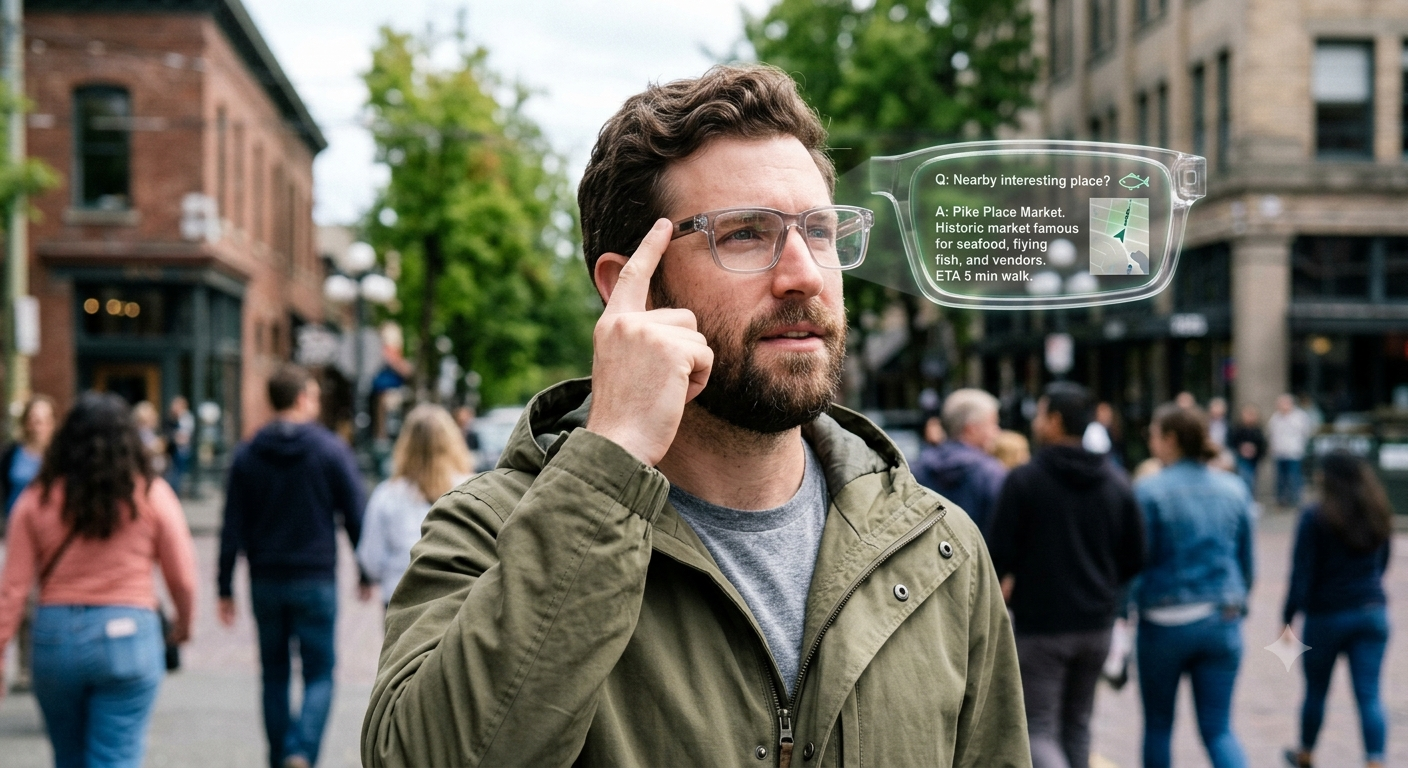
Some premium glasses project a transparent OLED screen directly onto the lens, giving you a floating 130-inch monitor right in your living room. This Heads-Up Display (HUD) overlays digital text on the real world, so you can read text messages without breaking eye contact. Other models skip the screen entirely to save weight, relying purely on audio cues and AI voice assistants to keep you informed. There’s a complete article on how smart glasses work that i’ve written for you to check.
Seamless Bluetooth Integration
You pair them to your iPhone or Android exactly like you would pair a set of AirPods. Once connected, they siphon your phone’s GPS, internet, and music apps to function seamlessly in the background. If you walk out of Bluetooth range from your phone, they temporarily lose their smart features and just become regular sunglasses.
What Are Smart Glasses Used For? (Real-Life Stuff)
I use the HUD to see floating arrows pointing me down the right street, saving me from staring down at Google Maps while walking in NYC. If I look at a Spanish menu, the built-in AI translates the text instantly and whispers the English ingredients directly into my ear. It is basically a cheat code for traveling abroad.

Photography, Video, and Creator Use
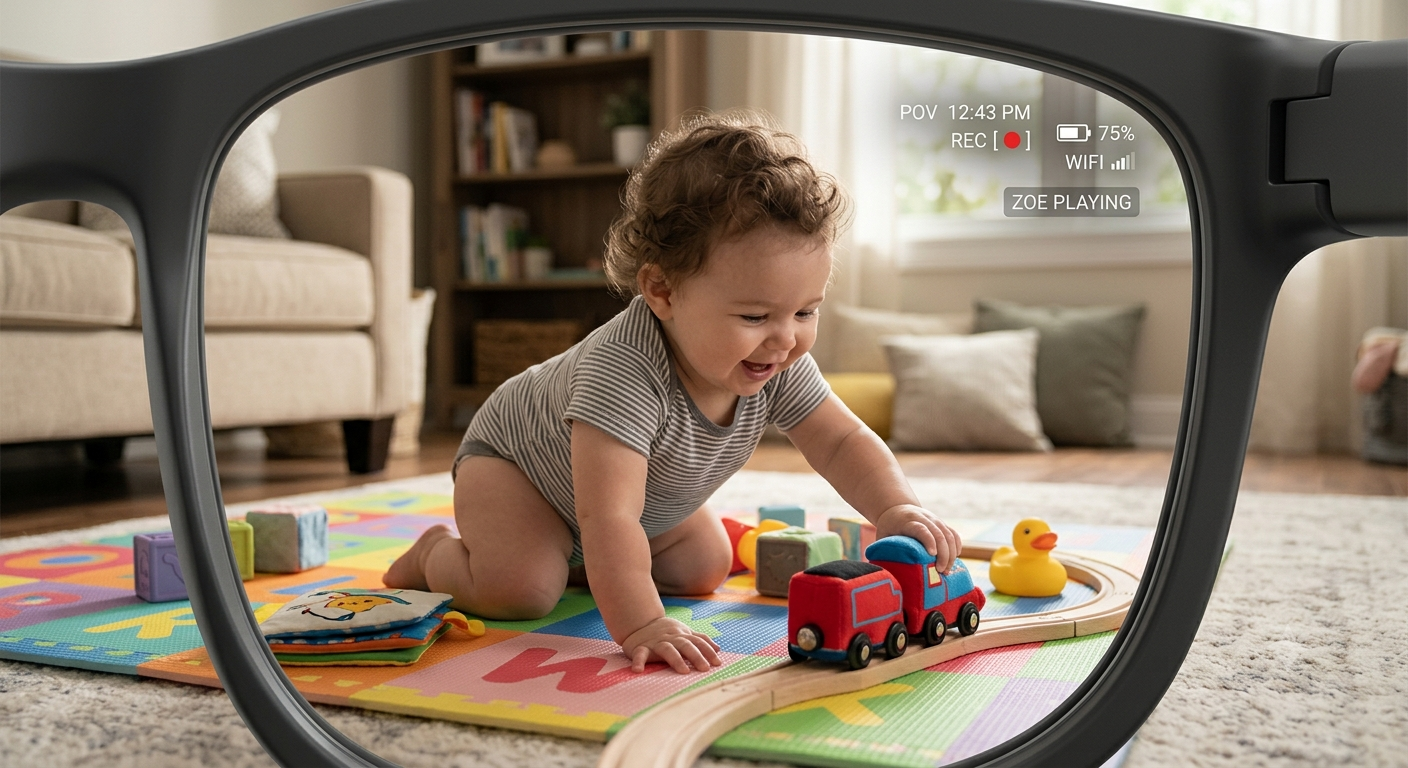
Content creators use these constantly to film POV cooking videos, unboxings, and travel vlogs without holding a bulky camera. You just double-tap a tiny button on the frame, and you are recording perfectly stabilized 4K video instantly. It captures your exact perspective, making your TikTok or YouTube audience feel like they are standing right in your shoes.
Hands-Free Calls and Music
You can take crystal-clear phone calls while riding a bike, carrying groceries, or walking the dog. Because they use open-ear audio instead of plugging your ear canal, you can listen to your favorite Spotify playlists while still safely hearing traffic around you. TBH, I have not touched my regular earbuds in six months.
The Catch: Privacy, Battery, and Limitations
Let’s be real: battery life still sucks if you shoot a ton of high-res video. You will get about 4 to 6 hours of heavy mixed use before needing to pop them back into their charging case. If you are just listening to music, they might stretch to 8 hours, but you definitely have to charge them every single night.
Privacy is also a massive deal, so most frames now feature a bright, flashing LED light whenever the camera is recording. If you try to cover that light with tape to be sneaky, the glasses will physically refuse to record. They also struggle in super dark environments, so do not expect amazing video quality at a dimly lit concert.
My Top Smart Glasses Picks for 2026
Ray-Ban Meta Smart Glasses
The absolute best all-rounder in 2026. You get a stunning 12MP camera, rich open-ear audio, and seamless Meta AI integration for $299. They look exactly like classic Wayfarers and the charging case is tiny.
Xreal Air 2 Pro AR Glasses
If you want a massive floating screen for movies and gaming, these are it. They project a 130-inch virtual OLED screen in front of your face for $449. Perfect for long flights or playing your Steam Deck in bed.
Amazon Echo Frames (Gen 3)
If you do not care about cameras and just want Alexa in your ear, these are a steal at $199. They are super lightweight, offer great audio for podcasts, and you can easily swap in your own prescription lenses.
Pro-Tips for Daily Smart Glasses Wearers
- Get Prescription Lenses First: Do not wear smart glasses over your contacts if your eyes dry out. Take your smart frames to a local optometrist (or order online via LensCrafters) to get custom prescription lenses put in.
- Turn Off “Hey Siri/Meta” in Public: If you are in a crowded coffee shop, turn off the wake word feature so other people do not accidentally trigger your AI. Just use the physical touch button on the arm of the glasses instead.
- Clean the Camera Lens Daily: The tiny camera lens gets smudged with fingerprint oil every time you take the glasses off. Wipe it with a microfiber cloth every morning, or your 4K videos will look like a blurry, glowing mess.
Let’s Chat!
Are you ready to ditch your earbuds and smartwatch for a pair of smart glasses, or does having a camera on your face still feel a little too weird? I want to hear your thoughts! Drop a comment below and tell me how you would use them—whether it is for secretly translating your in-laws or just recording your dog at the park.
Frequently Asked Questions (FAQs)
Do smart glasses work without a phone?
Most smart glasses require a Bluetooth connection to your phone to use AI, take calls, and play music. However, you can still take photos and record short videos completely offline, which will sync to your phone later.
Can you get prescription lenses in smart glasses?
Yes, almost all major smart glasses in 2026 allow you to swap the standard lenses for custom prescription lenses. Brands like Ray-Ban and Amazon have official partnerships with lens providers to make this super easy.
Are smart glasses safe for your eyes?
Yes, smart glasses without screens (audio/camera only) are just like wearing regular sunglasses. Models with AR displays project light at a safe distance and include blue-light filtering, though you should still take breaks to avoid eye strain.
How long does the battery last on smart glasses?
On average, you can expect 4 to 6 hours of mixed use (music, AI queries, and occasional video). If you record continuously, the battery will drain in about an hour, but the included charging cases usually hold an extra 30 hours of juice.
